 WMO
WMO
Exxon Mobil Hit as Germany Revokes 2.1 Million Carbon Credits From Chinese Projects
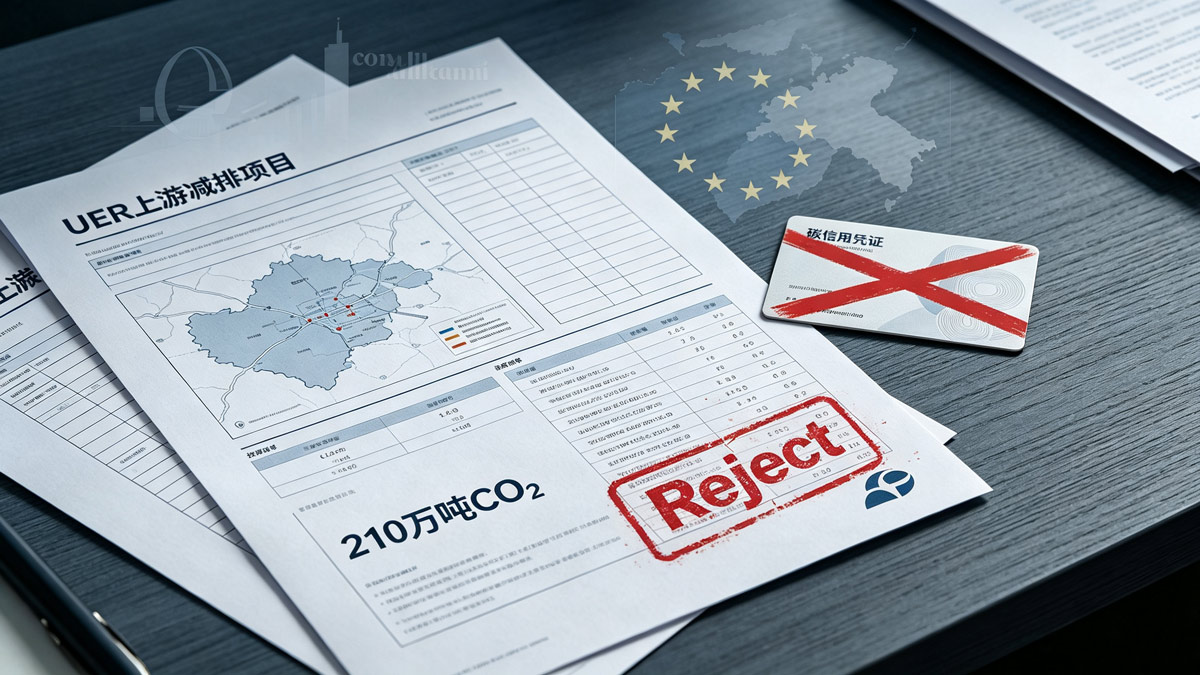
Germany has revoked carbon credits linked to 30 projects in China after authorities found serious concerns about the emissions reductions they claimed to deliver. The action has also affected ExxonMobil, which bought credits from one of the projects now under scrutiny. The projects claimed a combined 2.1 million tonnes of CO2 reductions.
ExxonMobil’s 96,000 Tonnes of Credits Under the Microscope
A Belgian ExxonMobil entity supported one of the projects backed by an ExxonMobil unit claimed nearly 96,000 tonnes of reductions, with the credits priced at about €44 per tonne. That puts the reported value at roughly €4.2 million. The revoked credits came from UER projects. These projects aim to cut emissions before crude oil reaches a refinery, such as by capturing gas that would otherwise be flared during oil production. If questionable projects get through many layers of development and checks, buyers may struggle to assess credit quality.
When a Carbon Credit Loses Its Climate Value
Carbon credits only have environmental value if they represent real emissions reductions. A company can use a credit to claim that one tonne of emissions was reduced, avoided or removed elsewhere. But if the underlying project DID NOT deliver that reduction, the climate benefit disappears. That creates a serious problem for buyers. A credit may pass project reviews, receive third-party verification and enter a regulated market. Years later, a regulator can still discover problems and withdraw it. Germany’s action shows that regulatory approval is not necessarily a permanent guarantee of credit quality. It shows why strong monitoring and on-site checks are important. This is especially true for projects in countries or sectors with limited oversight from authorities.
Invalid Credits Can Leave Buyers With a Bigger Bill
The financial impact extends beyond the original purchase price. When authorities revoke credits used for compliance, companies may need to obtain replacement units to meet their emissions obligations. That can create an additional cost if valid credits are more expensive than the original ones. For ExxonMobil, the reported €4.2 million value of the affected project provides a measure of the potential exposure tied to that one project. The overall financial impact depends on how many credits the company bought, used, or held. It also depends on the replacement obligations that apply. The issue is therefore larger than the value of one transaction. Credit quality risk can turn into a financial risk for companies relying on carbon markets to meet regulations.
A Warning for the Wider Carbon Market
Germany’s move tests carbon market integrity. This comes as governments boost carbon pricing and international emissions trading. The EU’s Emissions Trading System (ETS) covers more than 10,000 installations across the power, industrial and aviation sectors. Since 2005, it has helped reduce emissions from covered installations by about 50%. That progress depends partly on confidence in the rules and measurement systems behind carbon markets. The ExxonMobil case shows what can happen when that confidence breaks down.
·Project developers, stronger monitoring and verification will become increasingly important. For buyers, the episode is a reminder to look beyond the price and label attached to a credit.
·Regulators, it shows that removing questionable credits after they enter the market is not enough. Stronger checks are needed before credits reach buyers in the first place.
CARBON CREDITS MUST REPRESENT REAL EMISSIONS REDUCTIONS OR THEIR MARKET VALUE DISAPPEAR.