 WMO
WMO
Carbon Capture, Utilization & Storage (CCUS):Engineer the Future of Energy with Low Carbon Solutions
Carbon capture, utilization and storage (CCUS) is a set of methods to stop carbon dioxide reaching the atmosphere or remove what is already there. The combustion of fossil fuel and some industrial processes such as making cement or steel emit carbon dioxide that is mixed with other gases in various concentrations. A range of capture technologies are used to extract it in concentrated form. The carbon dioxide can then either be stored or utilized.
·In carbon capture and storage (CCS), the captured carbon dioxide is transported predominantly by pipeline or ship to an onshore or offshore underground storage site and pumped into a suitable storage reservoir such as a deep saline aquifer or depleted oil or gas field.
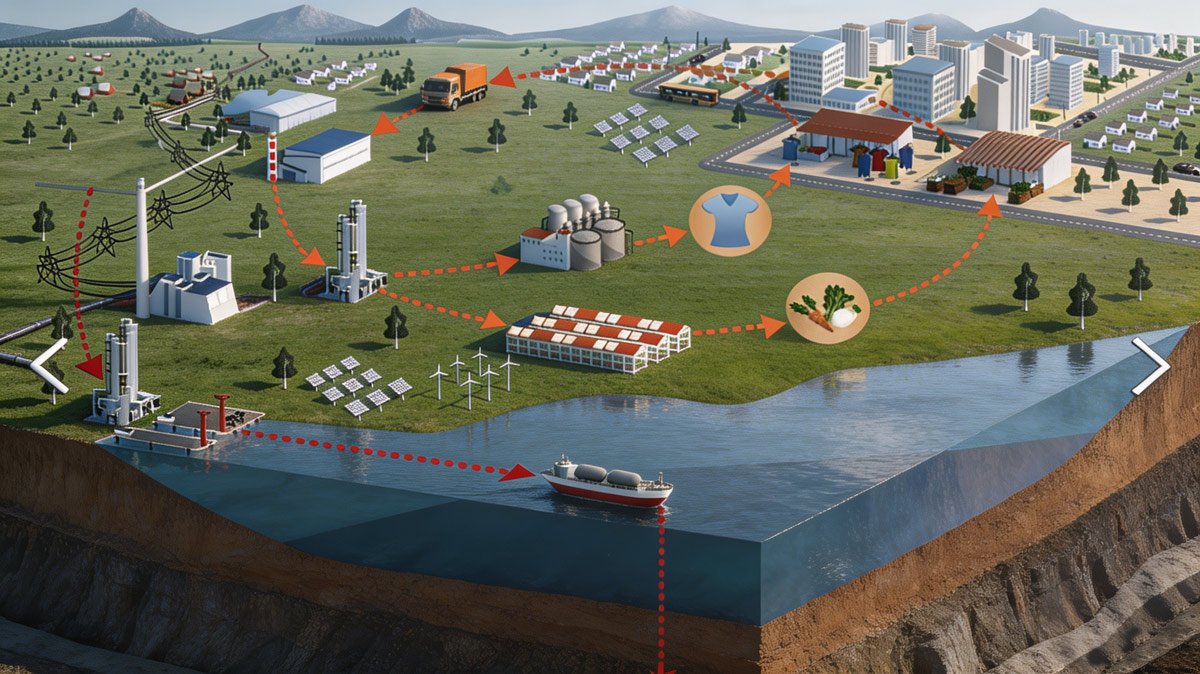
·In carbon capture and utilization (CCU), the captured carbon dioxide is put to use. The carbon dioxide can be permanently locked up in a product (in construction materials, for example) or go into a process (such as enhanced oil recovery, EOR) that ensures permanent storage. It can also be used and then emitted-for example, through chemical conversion to make synthetic fuels, displacing fossil-fuel use.
Industry accounts for about a quarter of global GHG emissions, most in the form of carbon dioxide. Some of those emissions can be eliminated easily using renewable electricity, but much cannot. For example, carbon dioxide is a by-product of some chemical processes, such as making the most common type of cement using limestone. CCUS may be the most realistic way to tackle those emissions.
Carbon dioxide is mixed in with nitrogen, oxygen and other gases. Methods currently used mainly:
1、Amine scrubbing. Flue gas is piped into the bottom of a vertical reactor vessel, where it rises up through a mist of a carbon dioxide absorbing liquid (usually an amine solution). The scrubbed gas is released at the top, with typically 90% or more of its carbon dioxide removed. The amine then goes to another vessel where high-temperature steam takes out the carbon dioxide. Finally, the near-pure carbon dioxide is compressed ready for transport.
2、Use solid calcium oxide that reacts with carbon dioxide in flue gas to become calcium carbonate and then heated to reverse the reaction and generate concentrated carbon dioxide. There are also polymer membranes that can separate gases, as well as adsorption onto the surface of porous structures such as metal-organic frameworks.
3、Pre-treated at high temperature. Mixture of carbon dioxide and hydrogen uses this technology to separate carbon dioxide and leaving hydrogen as low carbon fuel. It is also possible to burn fuel in pure oxygen to generate a stream of concentrated carbon dioxide.
Carbon storage capacity sees to be reaching 1.2 gigatonnes a year by 2030, and 7.6 gigatonnes per year by 2050. Stand-alone CCUS facilities can capture around 1-2 million tonnes of carbon dioxide per year. CCUS hubs are likely to store an average of 10 million tonnes of carbon dioxide per year by 2030.
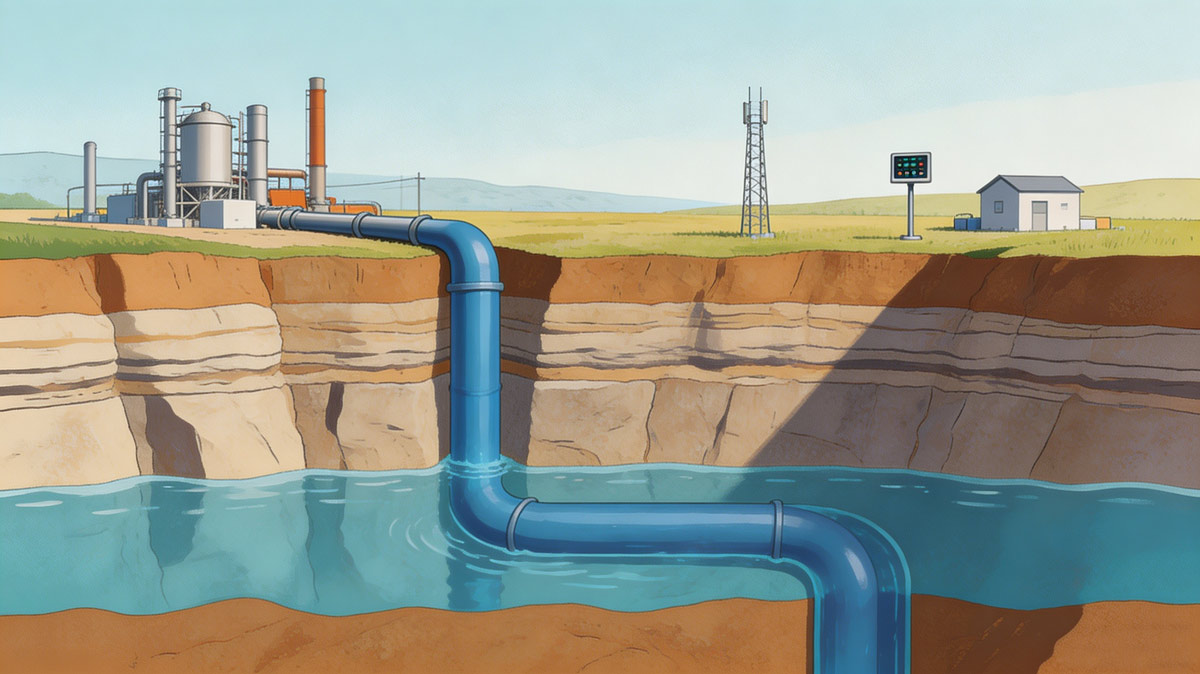
Two of the leading technological carbon removal solutions-bioenergy with carbon capture and storage (BECCS) and direct air capture and storage (DACS)-require the infrastructure of CCS. BECCS bolts CCS onto power plants that burn biomass-so plants suck carbon out of the air, which is then injected into saline aquifers or depleted oil and gas reservoirs, or mineralized in rock. Direct air capture and storage (DACS) captures carbon dioxide directly from the atmosphere and then permanently stores it in geologic formations.
Storage site selection
Selecting CO2 storage site is crucial before beginning a CCUS project. Subsurface unpredictability must be addressed because it poses the highest risk to projects due to geological uncertainty related to capacity, injectivity, and containment. Robust knowledge of the formation and data to develop subsurface models is needed to choose an appropriate site.
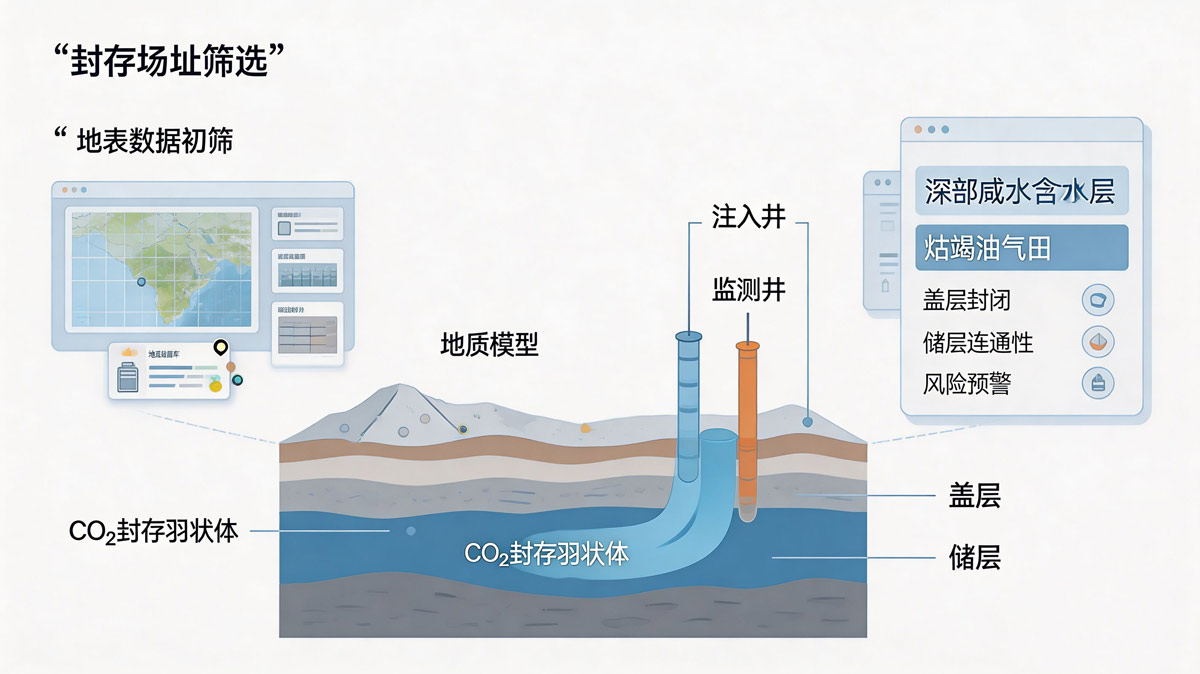
Informed screening approach leverages data integration and evaluation for rapid storage site screening. Currently, there are suitable software available in the industry, which could be used for first-pass screening, models how much CO2 can be stored, what may happen when it’s injected, and the likelihood of CO2 migrating out of the storage site, allowing for decreased time to evaluate the viability of a site. And through employing subsurface modeling to help determine the best placement for injector wells and monitoring systems.
This helps to minimize risk and maximize the commercial viability of CCUS projects.
CO2 processing and transport
During transport, the CO2 properties can change due to temperature and pressure fluctuations. Water and other substances must be removed to prevent pipeline corrosion before transport. Additionally, pipelines must be evaluated to maximize CO2 transport and minimize leakage points.
Chemical packages, pipeline monitoring, and booster stations are the key elements to help meet the requirements to transport CO2 safely.
Designing and constructing CO2 storage wells
Due to the nature of CO2, storage wells must meet higher standards than traditional oil and gas wells. These wells must withstand up to 30 years of harsh injection cycles. Government entities also impose regulations regarding design and construction. Additionally, well design and operations must align to help maximize well integrity, along with reducing the risk of leakage paths from legacy wells and formation damage during injection and storage.
To select the appropriate materials for CO2 storage wells. A good solution could offer cementing solutions with enhanced corrosion resistance and have developed completion systems to help ensure wells can withstand CO2 injection and contain CO2 for the long term. Together, this reduces possible pathways for CO2 to escape the storage site and minimizes opportunities for carbonation reactions.