 WMO
WMO
A Piece of Carbon’s Journey: From Farm Waste to Climate Hero
Did you know? There’s a type of black substance that not only makes the soil more fertile but also locks away carbon dioxide from the air for hundreds of years. It’s not some cutting-edge technology from a science fiction novel—it’s made from crop straw and wood chips found in farm fields. It’s called—biochar.
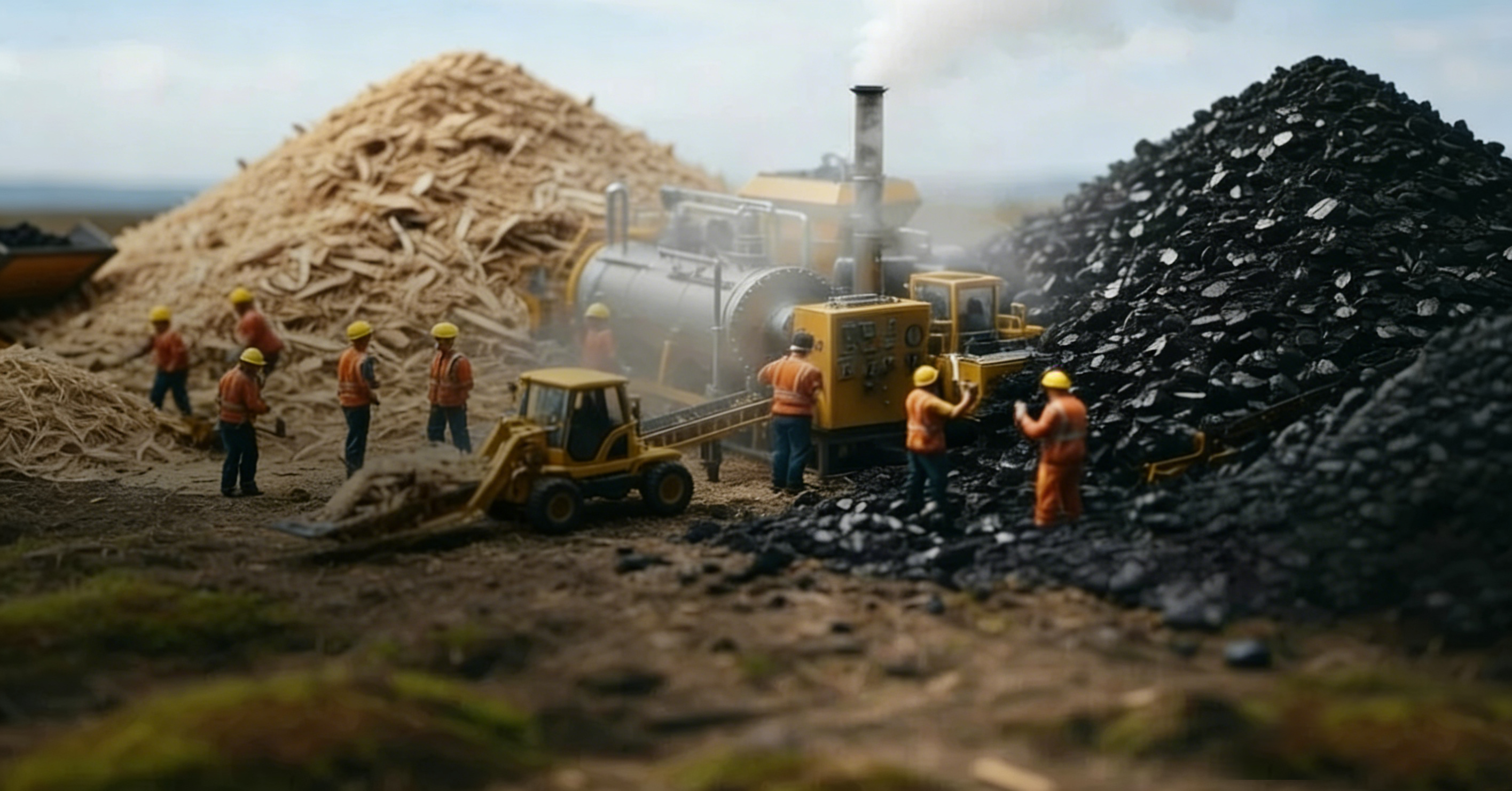
What is biochar?
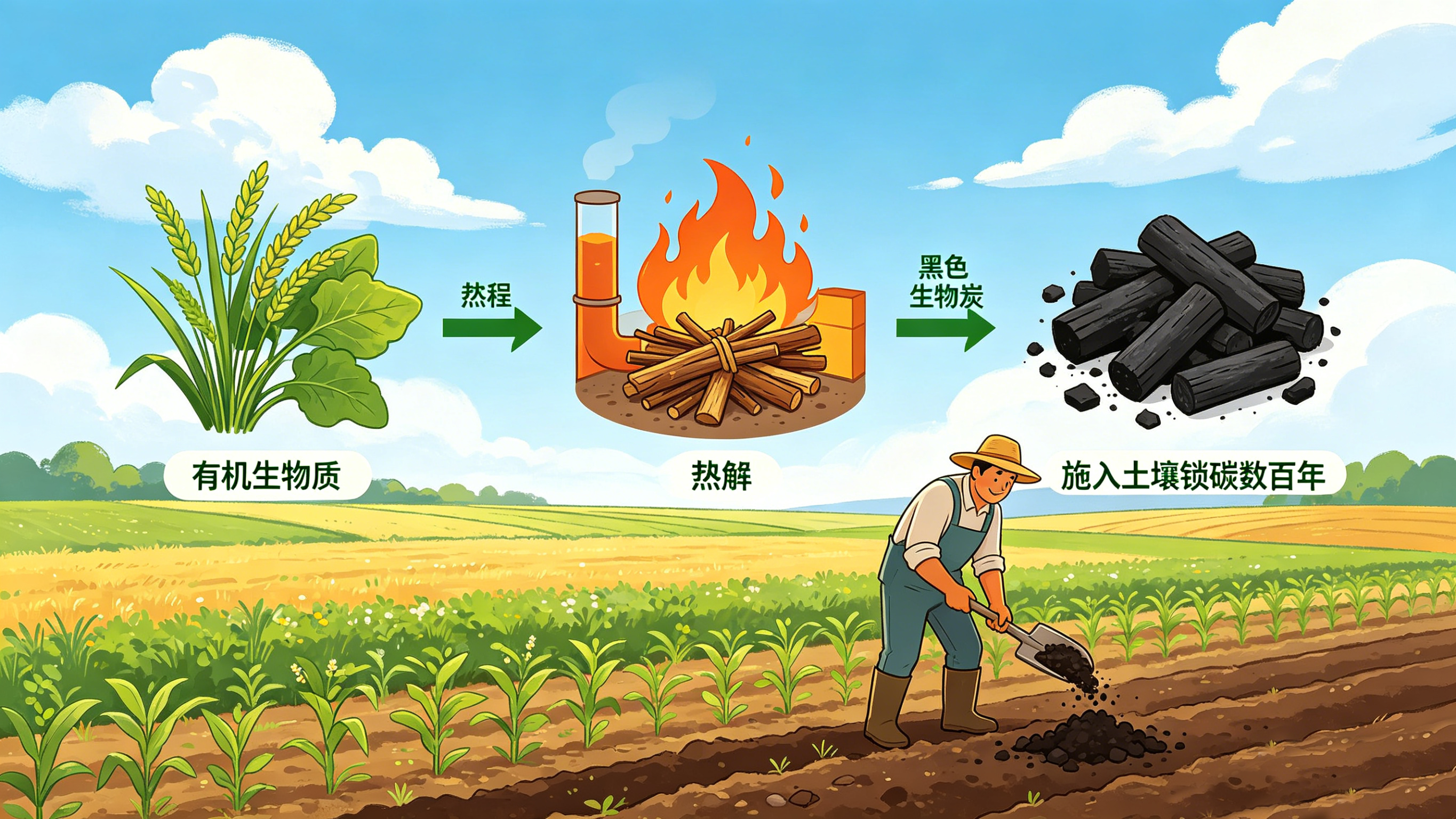
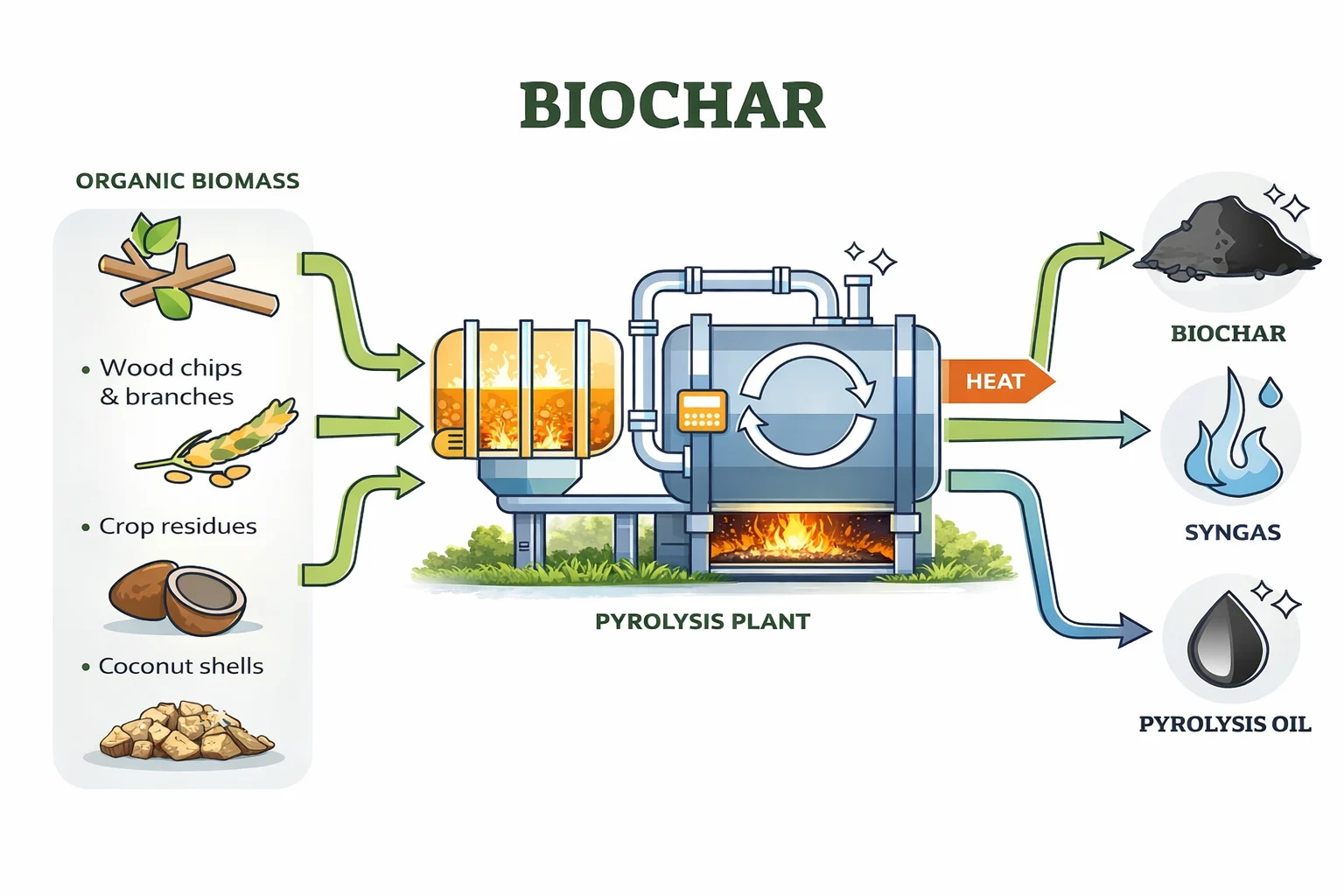
It is a carbon-rich substance produced by heating plant waste—such as corn stalks, rice husks, and wood chips—in a low-oxygen environment. This process is called “pyrolysis”—it may sound a bit technical, but essentially, it involves “baking” the material into a highly stable form of carbon without allowing it to burn.
The biggest difference between pyrolysis and conventional combustion is this: combustion causes all the carbon in the biomass to be converted into carbon dioxide and released into the atmosphere; pyrolysis, on the other hand, “locks” the carbon within the solid structure of the biochar, preventing it from returning to the atmosphere.
_cXCh3Yg.png)
One metric ton of biochar is equivalent to sequestering several metric tons of carbon dioxide from the air
When you mix biochar into the soil, it does not decompose quickly and release carbon dioxide like ordinary plant residues do. Instead, it remains stable for hundreds or even thousands of years. A report by the Intergovernmental Panel on Climate Change (IPCC) notes that if biochar were adopted globally in a sustainable manner, it could reduce carbon dioxide emissions by up to 1.8 billion metric tons annually—more than double the annual emissions of the global aviation industry! (According to frequently cited data, the global aviation industry emitted 800 million metric tons of carbon dioxide annually in 2023.)
_0GHxgnK.png)
You might be thinking: Don’t straw, wood chips, and other such materials naturally decompose in the soil to fertilize the fields anyway? Why go to the trouble of turning them into charcoal? Hold on—the story of biochar isn’t that simple.
If Left Untreated, Crop Straw Will “Betray” the Environment
More than 5 billion metric tons of crop straw are produced globally each year. In many places, especially in Asia and Latin America, people typically burn it directly—producing billowing plumes of smoke— a practice that releases massive amounts of carbon dioxide, methane, and nitrous oxide. This is not only one of the main culprits behind rural air pollution and seasonal smog, but it also undermines carbon reduction efforts—plants that could have sequestered carbon have instead become enemies of the environment.
The emergence of biochar, however, has transformed these “climate liabilities” into “climate assets.” It offers a controlled and environmentally beneficial alternative: converting “unwanted” forestry byproducts—such as rice husks, corn stalks, coconut shells, and sugarcane bagasse—into stable charcoal, thereby preventing the release of greenhouse gases while creating carbon sink assets.
There is more than one method for producing biochar, each with its own unique advantages:
Slow pyrolysis (the most common method): Plant waste is slowly heated at 400–600°C for several hours. This method yields the highest amount of biochar and produces the most stable carbon, making it best suited for carbon sequestration. As a byproduct, it also generates combustible gases and bio-oil that can be used to generate electricity.
Fast pyrolysis: Plant waste is rapidly heated over a few minutes, primarily to produce bio-oil (a liquid fuel); biochar is only a byproduct. The carbon yield is lower, and the carbon stability is somewhat poorer.
Gasification: Biomass is partially oxidized at 700–1,000°C to produce combustible gas (syngas). The carbon yield is low, but the amount of carbon fixed is very high.
Hydrothermal carbonization (HTC): Specifically designed for damp biomass (such as manure and wet straw); no pre-drying is required. The biomass is “cooked” in a high-pressure vessel to produce hydrothermal carbon, which has moderate stability and can be used for soil improvement.
Plasma Arc Carbonization: An electric plasma is heated to extremely high temperatures, producing biochar of extremely high purity and stability, suitable for long-term carbon sequestration. The drawback is its high electricity consumption.
How to Choose a Production Method?
If the goal is to create a carbon sink, slow pyrolysis and plasma arc methods for producing biochar are the most preferred, as they yield the most stable carbon; if the goal is also to sell energy as a byproduct, fast pyrolysis and gasification offer greater advantages.
_4bz5AUm.png)
Why Is Biochar’s “Carbon Sequestration” More Reliable Than Planting Trees?
You may have heard about using afforestation to absorb carbon dioxide. However, trees can be cut down, burned, or die due to climate change, which releases the carbon stored in forests back into the atmosphere. The same is true for organic carbon in ordinary soil, which can decompose due to changes in farming practices.
However, when biochar is buried in the soil, it is resistant to fire, pests, and human interference, and the risk of reversal is extremely low. For the carbon market, this “durability” is a “core advantage” in carbon sink assessments.
In the following sections, we’ll focus on explaining how biochar, as a “climate hero,” is making a significant impact in the field of carbon sinks.
Note: This article is an adapted translation; the original author is “Jennifer L.”